The Boo Crew Halloween Retro: An Embroidery Review
First Impressions: Retro Charm Meets Stitch Reality
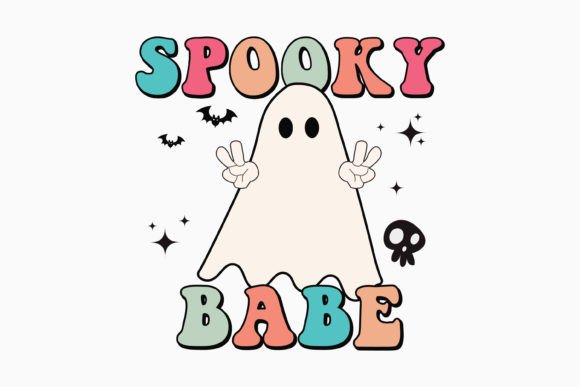
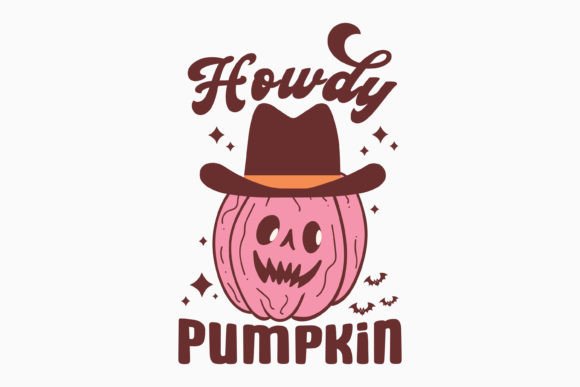
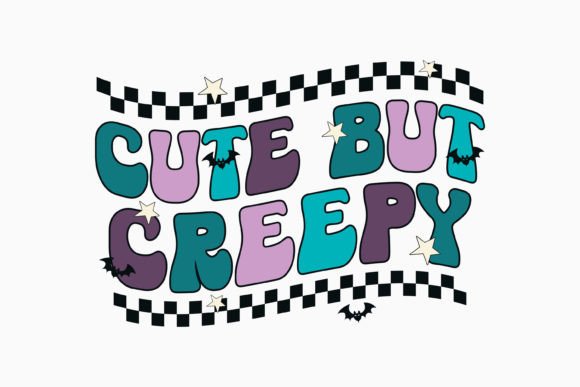
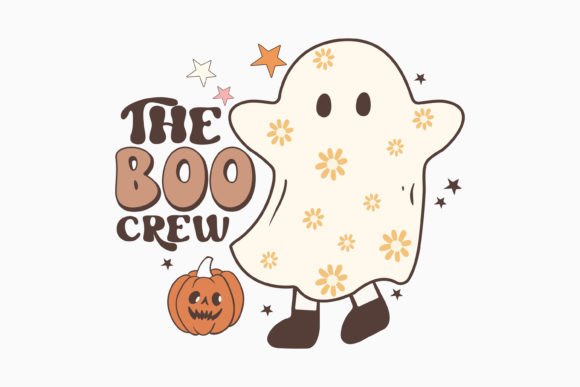
When evaluating The Boo Crew Halloween Retro for actual production, my first focus is always on how a graphic translates from screen to fabric. As an experienced designer, I look past the digital preview and immediately assess the structural integrity of the artwork for needle and thread. This design captures a distinct vintage aesthetic that is currently dominating the Crafts market, but nostalgia alone does not guarantee a clean stitch-out. The retro typography and ghostly motifs suggest a playful, nostalgic mood that feels perfect for autumn merchandise. However, the true test lies in whether those stylized letters and shapes can withstand the physical tension of embroidery without distorting.
Visually, the layout appears balanced, which is a promising sign for centering in a hoop. The "retro" style typically implies bold lines and manageable negative space, both of which are friends to the embroidery machine. Unlike hyper-realistic graphics that require thousands of color changes and dense fill stitches, this design seems optimized for clarity. For a small business owner or Etsy seller, this visual simplicity is an asset. It promises a finished product that reads well from a distance, essential for custom apparel and holiday gifts where immediate visual impact drives sales.
Real-World Application: Stitching a Vintage Sweatshirt
To truly judge this asset, I mentally placed The Boo Crew Halloween Retro onto a heavyweight cotton sweatshirt, a staple for fall craft businesses. In this real-life scenario, the goal was to create a boutique-ready garment that feels soft to the touch rather than bulletproof. Because the product description highlights that this is a graphics file (SVG/EPS) rather than a pre-digitized machine embroidery design, the digitizing phase becomes the most critical step in the workflow.
For this sweatshirt project, I would approach the lettering with a combination of satin stitch for the outlines and light fill stitch for the interior, preserving the retro vibe without adding excessive density. The ghosts and decorative elements would likely benefit from a running stitch or a bean stitch to maintain that handmade, slightly imperfect charm associated with vintage aesthetics. When working on fleece or French terry, the fabric texture can swallow fine details. Therefore, I would slightly increase the column width during digitizing to ensure the design pops against the fuzzy background. This specific application demonstrates why checking your source files is vital; having the EPS or SVG allows you to adjust node points before digitizing, ensuring the final embroidered patch or direct-to-garment piece retains its intended personality.
Navigating Fabric Challenges and Hoop Limitations
While The Boo Crew Halloween Retro is versatile, certain applications require caution. If you plan to use this for baby embroidery or lightweight tea towels, the design size must be scaled appropriately. Retro fonts often have thick serifs or swashes that can become too dense when shrunk down for a 4x4 hoop size. On thin fabrics like muslin or gauze, heavy satin stitches can cause puckering or tearing. In these cases, I recommend testing a modified version with reduced stitch density or converting heavy fills to lighter tatami patterns.
Dark fabrics present another consideration. Since this is a color-changeable graphic, you have the freedom to adjust thread colors for contrast. However, if stitching on black or navy apparel, avoid using dark grey or muted orange threads directly against the fabric. The retro palette needs high contrast to remain legible. Additionally, if you are adapting this design for curved surfaces like caps, the horizontal span of the text may need to be arched. Flat vector graphics do not automatically account for cap curvature, so manual adjustment during the digitizing process is necessary to prevent the edges of the design from dipping or rising awkwardly on the finished hat.
Critical Designer Notes for Production Success
- Verify File Contents: The listing includes EPS and SVG files at 300dpi. Remember, these are vector graphics for printing or digitizing, not ready-to-stitch DST or PES files. You must digitize this yourself or hire a professional digitizer before it can be used as a machine embroidery design.
- Test Stitch Density: Before committing to a commercial embroidery run, digitize a test sample. Check if the retro font legs are wide enough to support a satin stitch without tunneling. If they are too narrow, switch to a running stitch outline.
- Stabilizer Selection: For stretchy knit fabrics common in Halloween sweatshirts, use a cut-away stabilizer to prevent the design from warping after washing. For woven tote bags or aprons, a tear-away may suffice, but always test first.
- Color Contrast Testing: Utilize the "100 Color Changeable" feature to create mockups. Print these mockups or view them in grayscale to ensure the retro color palette maintains value separation when converted to thread colors.
- Licensing Check: Confirm the specific license terms regarding commercial use. While suitable for personalized gifts and small shop products, ensure you are compliant if selling digital embroidery files derived from this art versus selling physical finished products.
Elevating Product Value and Brand Consistency
Using The Boo Crew Halloween Retro effectively goes beyond just getting a clean stitch-out; it is about building customer trust through quality. When a buyer receives a handmade product featuring this design, the crispness of the lettering and the appropriateness of the thread weight signal professionalism. A muddy, dense, or poorly registered design devalues the item instantly. By taking the time to properly adapt this graphic for embroidery, you distinguish your Etsy listings or boutique offerings from generic competitors.
The retro theme also offers excellent giftability. It appeals to a broad demographic, making it safe for everything from nursery decor to adult apparel. For creative entrepreneurs, this versatility means one design asset can populate multiple product categories. Use it for a printable mockup on social media to gauge interest before digitizing, then pivot to physical production based on engagement. This strategic approach minimizes waste and maximizes the return on your design assets.
Final Thoughts for Makers and Sellers
The Boo Crew Halloween Retro holds significant potential for the embroidery community, provided it is treated as a foundational graphic rather than a plug-and-play solution. Its strength lies in its editable nature and strong thematic appeal. Whether you are creating a custom embroidered tote bag for a fall festival or a line of holiday sweatshirts for your online shop, success depends on respecting the relationship between vector art and textile physics.
Always prioritize a test stitch on scrap fabric that matches your final project material. Inspect small details, verify hoop size compatibility, and ensure your stabilizer choice supports the stitch type. By applying these professional standards, you transform a simple digital graphic into a high-value, tangible product that customers will cherish. For the dedicated maker, this design is not just a seasonal novelty; it is an opportunity to showcase technical skill and artistic judgment in every stitch.