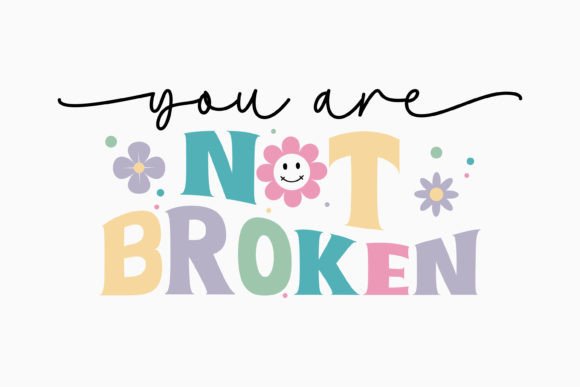
You Are Not Broken Retro Mental Health Design Review
When evaluating digital assets for physical production, the transition from screen to stitch is where many designs fail. As a designer who regularly tests graphics for commercial embroidery and apparel decoration, I approached the You Are Not Broken Retro Mental Health file with a critical eye. This isn't just about whether the artwork looks good on a monitor; it is about whether it translates into a viable machine embroidery design that holds up on fabric, survives washing, and resonates emotionally with the end user. In the sensitive niche of mental health awareness, the execution must be as thoughtful as the message itself.
First Impressions: Visual Weight and Emotional Resonance
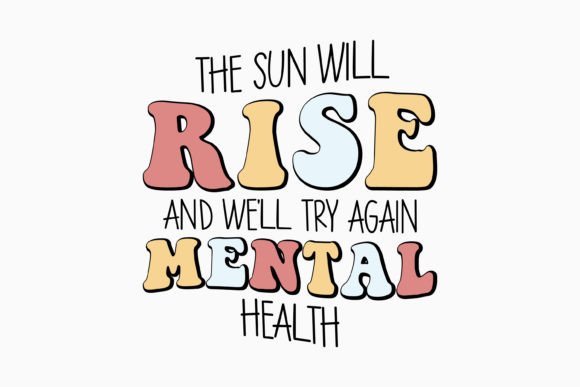
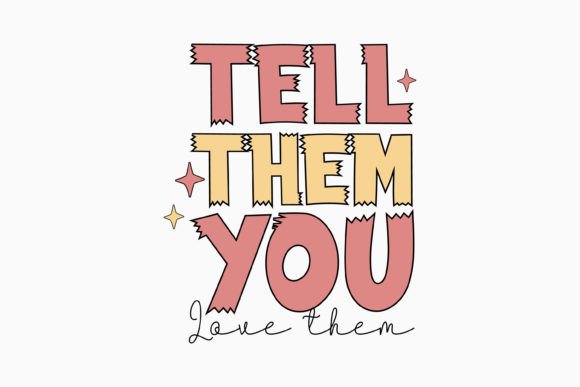
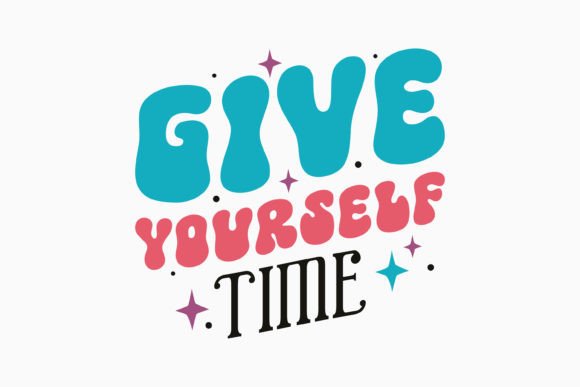
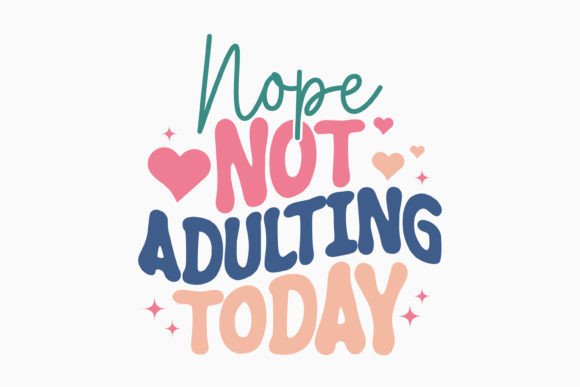
The immediate strength of this graphic lies in its retro aesthetic. Unlike clinical or sterile mental health imagery, the vintage styling softens the delivery of the message. For an Etsy seller or boutique owner, this visual approach is crucial. It transforms a heavy statement into a wearable piece of affirmation rather than a medical label. The layout appears balanced, suggesting it was created with composition in mind. However, as a vector-based SVG/EPS asset intended primarily for print, my first assessment involves determining its viability as an embroidery file.
Vector graphics offer clean lines, which is excellent for digitizing, but they lack inherent stitch data. Before loading this into digitizing software or sending it to a commercial embroiderer, you must assess the line weight. Retro styles often feature varying thicknesses and distressed textures. While beautiful in Graphics, these textures can become problematic in thread. If the distressing is too fine, it may require excessive jump stitches or result in poor coverage. For a successful embroidery project, you may need to simplify the artwork slightly during the digitization phase to ensure clean satin or fill stitches without compromising the retro charm.
Real-World Application: The Custom Sweatshirt Test
To truly judge this design, I mentally placed it in a specific production scenario: creating a custom heavyweight sweatshirt for a mental health advocacy fundraiser. Sweatshirts are a staple in custom apparel, but their fleece backing and knit structure present unique challenges.
In this scenario, the You Are Not Broken Retro Mental Health design serves as a center-chest placement. The retro color palette likely requires multiple thread changes. Because the product description notes "100 Color Changeable," there is flexibility here, but restraint is key. For a sweatshirt embroidery project, I would recommend limiting the palette to three or four muted, vintage-inspired thread colors. Too many colors increase production time and the risk of registration errors on stretchy fleece.
I also considered how this would work as a tote bag design. Canvas totes provide a stable, woven foundation that is much more forgiving than knitwear. Here, the design could handle higher detail and tighter lettering. If you are producing handmade products for craft fairs, the tote bag application might yield a crisper result with less stabilizer waste. Conversely, if applying this to a curved surface like a cap, significant modification would be necessary. The horizontal span of a retro quote often exceeds the safe stitch area of a standard cap frame, making this design better suited for flat goods like aprons, pillow covers, or patches.
Technical Considerations for Embroidery Success
While the source files (EPS/SVG at 300dpi) are high quality for printing, embroidery requires different parameters. When adapting this for needle and thread, several technical factors demand attention:
- Stitch Density and Fabric Texture: Retro designs often imply solid blocks of color. On textured fabrics like linen or terry cloth, a standard fill stitch may get lost. You may need to increase stitch density or use an underlay to prevent the fabric grain from showing through the threads.
- Lettering Legibility: Mental health quotes rely entirely on readability. If the retro font has thin serifs or decorative swashes, verify they are wide enough for a satin stitch. Anything under 1mm width risks breaking needles or unraveling. Running stitches may be a safer alternative for thinner elements.
- Stabilizer Selection: Because this is a text-heavy design, stabilization is non-negotiable. For a baby embroidery item or lightweight tee, use a cut-away stabilizer to prevent puckering around the letters. For heavier items like denim jackets or canvas bags, a tear-away might suffice, but always test first.
- Hoop Size Verification: Do not assume the design fits your machine’s maximum field. Measure the actual dimensions after digitizing. Resizing a vector file is easy; resizing a digitized embroidery file distorts stitch angles and density. Always confirm the hoop size requirements before purchasing or starting production.
Navigating Limitations and Risk Areas
Every design has a sweet spot and a danger zone. With You Are Not Broken Retro Mental Health, caution is advised when working with dark fabrics. Retro palettes often include creams, yellows, and soft pinks. These light threads on black or navy fabric require a white underlay base to maintain color accuracy. Without it, the dark fabric will shadow through, muddying the vibrant retro look.
Additionally, consider the end-use care. If this design is intended for baby clothes or kitchen tea towels, it must withstand frequent, hot washing. Dense, heavily layered stitch areas can become stiff and abrasive against sensitive skin. For infant wear, I would advise reducing the overall density or opting for an applique design variation where fabric fills the larger shapes instead of thread. This reduces stitch count, improves washability, and keeps the garment soft.
For those selling digital embroidery files derived from this artwork, transparency is vital. Clearly state whether the file is a native embroidery format or a vector graphic requiring digitization. Misunderstanding this distinction is a common pain point for hobbyists. If you are selling the finished personalized gift or product, ensure your listing photos show the actual stitched texture, not just the digital mockup. Customers need to see how the retro style translates to thread to trust the quality of your small shop product.
Commercial Viability and Brand Consistency
From a business perspective, this design offers strong potential for commercial embroidery and print-on-demand ventures. The "You Are Not Broken" message is evergreen, avoiding seasonal trends that lead to dead stock. However, brand consistency matters. If your shop specializes in modern minimalist aesthetics, this retro style might feel disjointed. It pairs best with brands that already utilize vintage typography, warm color grading, or nostalgic themes.
Before launching a full product line, create a printable mockup and a physical stitch-out sample. Compare them side-by-side. Does the embroidered version capture the same mood as the digital proof? Often, the tactile nature of thread adds a warmth that digital prints lack, enhancing the perceived value of the finished product. This added value justifies a higher price point for custom apparel compared to standard screen-printed alternatives.
Finally, always verify licensing. Just because a file includes source vectors does not automatically grant permission for mass-produced craft business merchandise. Confirm whether the license covers physical product sales, digital file redistribution, or both. Protecting your business means respecting intellectual property while leveraging high-quality design assets responsibly.
Final Verdict for Makers
The You Are Not Broken Retro Mental Health graphic is a compelling asset with significant emotional and commercial potential. Its success in embroidery, however, depends entirely on the maker's willingness to adapt it for the medium. It is not a plug-and-play solution for every fabric or hoop size. But for the thoughtful crafter willing to test thread colors, adjust densities, and respect the limitations of needle and thread, it offers a beautiful way to turn a digital message into a tangible source of comfort. Whether used for a holiday gift, a boutique collection, or a personal healing project, this design rewards preparation with professional, heartfelt results.