You Had Me at Woof: Retro Dog Design Review
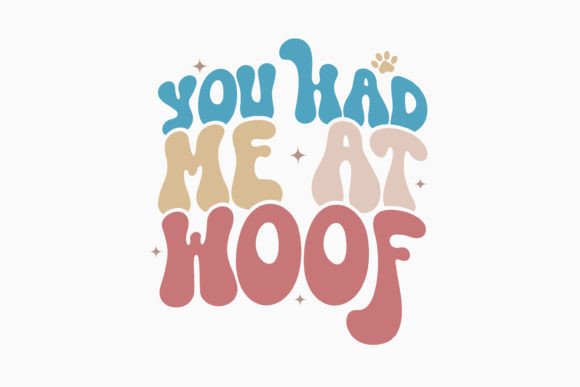
As a professional embroidery digitizer and product reviewer, I approach every new graphic with a specific question: will this actually stitch out well on fabric? When evaluating You Had Me at Woof Retro Dog, my immediate focus is on how this retro aesthetic translates from a digital screen to a tangible, textured surface. This design captures a distinct vintage mood that resonates deeply with current market trends, but for those of us in the Crafts industry, nostalgia must be balanced with technical viability. The layout suggests a playful yet structured composition that feels ideal for custom apparel and personalized gifts, provided we respect the limitations of thread versus pixels.
Translating Retro Graphics to Stitched Reality
The first impression of You Had Me at Woof Retro Dog is one of warmth and personality. The retro style typically implies bold lines and simplified shapes, which is generally excellent news for machine embroidery. Unlike hyper-realistic portraits that require thousands of stitches and heavy stabilizer, retro graphics often rely on color blocking and clear outlines. However, because this product is supplied as an EPS or SVG file at 300dpi, it serves as a high-quality source asset rather than a pre-digitized embroidery file. For the embroidery designer, this means you have total control over the interpretation.
When I look at this artwork, I see potential for a combination of satin stitch borders and fill stitch interiors. The "retro" label suggests limited color palettes, which aligns perfectly with the product note regarding easy color changes. In a real-world scenario, limiting your thread colors not only speeds up production time for commercial embroidery projects but also reinforces the vintage aesthetic. A design with too many gradients loses its retro charm; keeping it flat and bold ensures the finished product looks intentional and professionally crafted.
Real-World Application: The Sweatshirt Test
To truly judge the utility of You Had Me at Woof Retro Dog, let’s consider a specific case study: creating a premium crewneck sweatshirt for an Etsy shop targeting dog lovers. Sweatshirts are a staple for small business owners, but the fleece texture can swallow fine details. If I were preparing this design for a sweatshirt, I would evaluate the line weight of the vector art. Are the legs of the dog thick enough to support a satin stitch column without tunneling? Is the text legible when scaled down to fit a left-chest placement?
In this scenario, the design’s versatility shines. Because the source files are included, I could easily isolate the dog illustration for a pocket-sized applique design on the chest while using the full quote across the back. This modularity is crucial for maximizing the value of your design assets. For a tote bag design, the bolder elements of the retro dog would hold up beautifully against canvas fabric texture. Conversely, if I were stitching this onto a baby onesie, I would need to significantly simplify the internal details to prevent the garment from becoming stiff or heavy. The ability to modify the vector source before digitizing allows for this necessary adaptation across different products.
Navigating Fabric Limitations and Hoop Sizes
While You Had Me at Woof Retro Dog offers immense creative freedom, practical judgment requires acknowledging where caution is needed. Retro designs often feature distressed textures or grunge effects in their digital form. As embroiderers, we must resist the urge to replicate every pixel of distress with running stitches. Doing so creates excessive stitch density, leading to puckering on stretchy fabrics or holes in thin materials like tea towels or lightweight knits.
Furthermore, consider your hoop size constraints. If you plan to use this for cap embroidery, the curved surface demands a design that is vertically compact and horizontally stable. You may need to arc the text or reposition the dog element to avoid distortion near the seams. For dark fabrics, ensure the design includes adequate underlay or outline definition so the retro colors pop against the background without requiring excessive top stitching. Always test on scrap fabric first; what looks crisp in a printable mockup might disappear into the weave of a linen pillow cover without proper stabilizer selection.
Commercial Viability and Brand Consistency
For creative entrepreneurs and handmade shop owners, visual appeal directly correlates to customer trust. You Had Me at Woof Retro Dog possesses a strong giftability factor because it balances humor with style. It avoids being overly cutesy, making it appropriate for adult apparel, kitchen decor, and boutique merchandise. When listing items online, the clean lines of this retro art make for excellent digital product previews. Customers can clearly understand what they are buying, which reduces return rates and increases buyer engagement.
However, professionalism lies in the execution. Before selling finished products or offering this as part of a larger collection, verify your licensing terms. While the inclusion of EPS and SVG files suggests flexibility for personalization and commercial use, always confirm whether you can sell the digitized embroidery file itself or only the physical embroidered goods. Protecting your business means respecting intellectual property while leveraging these assets to build a cohesive brand identity. A consistent retro theme across your shop, anchored by versatile designs like this one, helps establish recognition and loyalty among niche audiences.
Essential Technical Notes for Makers
Before you load your needle, keep these practical designer notes in mind to ensure success with You Had Me at Woof Retro Dog:
- Verify File Compatibility: Remember that EPS and SVG are vector formats, not native embroidery formats. You will need digitizing software to convert this graphic into PES, DST, JEF, or other machine-specific files.
- Assess Detail Level: Inspect the smallest elements of the dog illustration. If any feature is smaller than 2mm, consider removing it or converting it to a simple running stitch to prevent thread breaks.
- Color Contrast Testing: Create black and white mockups of your digitized version to check value contrast. Retro designs rely on tonal differences since they lack shading; ensure the dog stands out from the background fabric.
- Stabilizer Selection: Match your backing to the fabric, not just the design. Even a simple retro graphic can distort on jersey knit if you use tear-away instead of cut-away stabilizer.
- Licensing Check: Confirm specifically if the "100 Color Changeable" claim refers to the vector editing capability or included color variations, and ensure your intended commercial use aligns with the seller's terms.
- Mockup Accuracy: Use realistic textures in your printable mockups. Showing the design on a flat white background does not represent how it will look on a ribbed sweater or woven apron.
Ultimately, You Had Me at Woof Retro Dog is a promising asset for the modern maker. Its strength lies in its stylistic clarity and adaptability. By treating the provided graphics as a foundation for thoughtful digitizing rather than a final destination, you can create embroidered products that feel authentic, durable, and commercially viable. Whether you are crafting a holiday gift or stocking your Etsy shelves, this design offers the right blend of character and craftsmanship potential when executed with professional care.